


- 23 October 2026
- Regional Logistics
- 6 min read
LOGISTICS IN PORT ELIZABETH: HOW FREIGHT MOVES THROUGH GQEBERHA
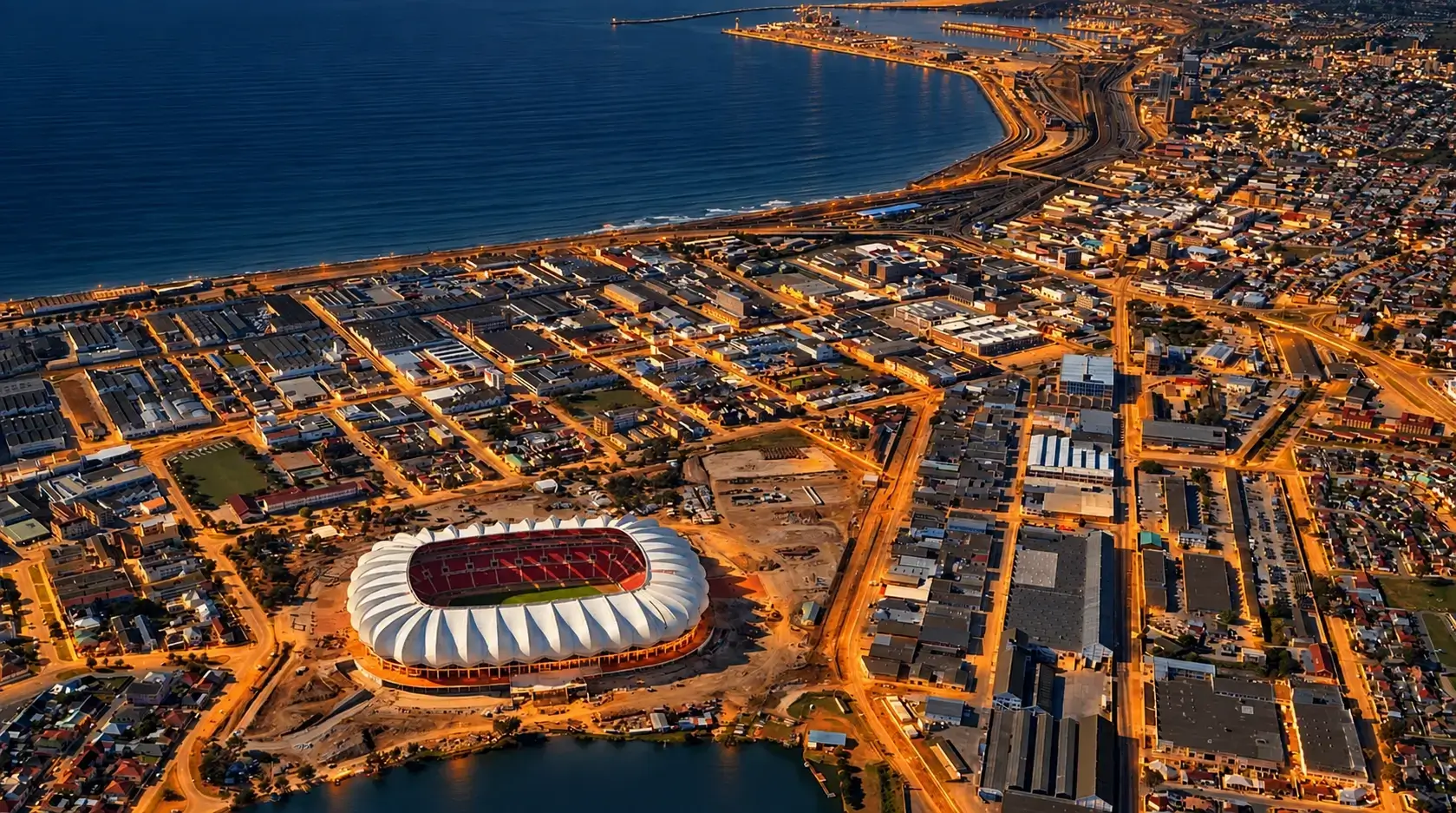
Port Elizabeth, officially renamed Gqeberha in 2021, carries more weight in South African freight than its size suggests. Nelson Mandela Bay has two commercial ports, an international airport and one of the country’s biggest concentrations of vehicle and component manufacturers. For importers and exporters in the Eastern Cape, that infrastructure is a real advantage, but only when cargo is routed through the right gateway with the right paperwork in place.
This guide covers how freight moves in and out of Port Elizabeth, which port suits which cargo, and what to plan for when you ship to or from Nelson Mandela Bay.
WHY PORT ELIZABETH MATTERS FOR SA FREIGHT
The Eastern Cape economy is built on making things and shipping them. Volkswagen has assembled vehicles in Kariega, the town formerly known as Uitenhage, since 1951, and the plant is the only place in the world that builds the VW Polo. Isuzu builds D-Max bakkies and commercial trucks in the metro, while Mercedes-Benz, Ford, FAW and BAIC also operate in the region. A large share of South Africa’s automotive component manufacturers are based in or linked to the area.
Agriculture matters just as much. The Eastern Cape produces about 60% of South Africa’s lemons, and the wider region exports citrus, wool and mohair to markets around the world.
That mix creates two freight patterns. Finished vehicles, fruit and manufactured goods flow out, mostly by sea. Production parts, components and raw materials flow in, often on tight schedules, because an assembly line that runs out of parts stops. Logistics in Port Elizabeth has to handle both: volume going out, and precision coming in.
TWO PORTS, TWO DIFFERENT JOBS
Nelson Mandela Bay is one of the few metros in the world served by two commercial ports. They sit about 20 km apart and play different roles.
Port of Port Elizabeth (Gqeberha)
The city harbour is the older of the two. It runs a container terminal, a dedicated car terminal for roll-on, roll-off vehicle exports, and berths for breakbulk and fruit. If you are exporting vehicles built in the region, or shipping citrus in season, this is often where your cargo leaves South Africa.
Port of Ngqura (Coega)
Ngqura sits northeast of the city inside the Coega Special Economic Zone. It started commercial operations in October 2009 and is the deepest container port in sub-Saharan Africa, with an entrance channel of 18 m and container berths of 16 m. That depth lets it receive large container vessels, and it was designed for up to 2 million TEU a year, with a role as a transshipment hub for routes up the east and west coasts of Africa.
In practice, the shipping line’s service rotation usually decides which terminal your container calls at. A booking quoted as “Port Elizabeth” may discharge at Ngqura, and the cost and timing of delivery to your door changes with it. Always confirm the actual load or discharge port when you book.
AIR FREIGHT THROUGH CHIEF DAWID STUURMAN INTERNATIONAL
Gqeberha’s airport, Chief Dawid Stuurman International (formerly Port Elizabeth International), is the city’s air link. Many international air shipments for the Eastern Cape connect through O.R. Tambo or Cape Town International, then reach Gqeberha on a domestic flight or by road.
For manufacturers, air freight is usually about time, not volume. When a line-side part is late, the cost of downtime dwarfs the cost of the freight. That is where time-critical logistics and on-board courier services earn their keep: the part travels as accompanied baggage or on the first available flight, with someone tracking every connection.
ROAD FREIGHT: THE GQEBERHA TO GAUTENG CORRIDOR
Most freight that lands in Nelson Mandela Bay does not stay there. Johannesburg is more than 1,000 km away by road and Cape Town around 750 km, so road freight links the ports to the rest of the country and, from there, to neighbouring markets.
The choice is usually between a dedicated truck and a consolidated load. Dedicated transport suits full loads, high-value cargo and urgent production parts, because the truck runs direct. Consolidated road freight is cheaper for smaller consignments but adds handling and time. For cargo heading beyond South Africa, cross-border logistics takes over at the border, with transit permits and customs documents prepared before the truck leaves.
WHAT TO PLAN FOR WHEN SHIPPING THROUGH NELSON MANDELA BAY
The same handful of issues causes most delays and surprise costs on Eastern Cape shipments. Plan for them up front and most of the risk goes away.
Confirm the port at booking
Ask which terminal your container will actually use, Port Elizabeth or Ngqura, and make sure your delivery quote matches it. A change of port late in the voyage changes trucking costs and collection times.
Allow for the weather
Strong winds in the bay can stop crane work and delay berthing. Build a buffer into delivery dates for time-sensitive stock, especially in the windier months.
Get the documents right before the vessel arrives
Customs clearance starts with a correct commercial invoice, packing list, bill of lading and customs declaration. Missing or mismatched paperwork is the most common reason containers sit in port and attract storage charges. Our guide to the documents required to clear customs in South Africa covers the full list.
Agree the right Incoterm
The Incoterm on your invoice decides who pays for each leg and where risk passes from seller to buyer. Choose it with the Port Elizabeth leg in mind, not only the ocean freight. See Incoterms explained for a plain-English breakdown.
Match the container to the cargo
Heavy components often hit the weight limit before the container is full, while bulky goods run out of space first. Picking the right size avoids paying to ship air. Our 20ft vs 40ft container guide explains the difference.
Use bonded storage when duty timing matters
If imported stock will be released gradually or re-exported, a bond store lets you defer duty and VAT until the goods are actually needed.

HOW ATRAX SUPPORTS PORT ELIZABETH BUSINESSES
Atrax services Port Elizabeth and the wider Eastern Cape from our Johannesburg and Cape Town offices. As an IATA-accredited, AEO-certified freight forwarder and SARS-registered customs agent, we manage the full move: sea freight through both the Port of Port Elizabeth and the Port of Ngqura, air freight through Chief Dawid Stuurman International and the major hubs, road freight to and from Gauteng and the Western Cape, and customs clearance at every point.
We also deliver urgent ship spares to vessels calling at Port Elizabeth and Ngqura, handle hazardous and project cargo, and give every client one view of their shipments through Webtracker, our in-house tracking platform. Read more about our Port Elizabeth logistics services.
FREQUENTLY ASKED QUESTIONS
Atrax Logistics SA (Pty) Ltd is 50% owned by Uniserve, the UK’s largest privately owned logistics and global trade management provider, following Uniserve’s acquisition of a 50% shareholding in August 2023, announced publicly in January 2024. The remaining 50% is held by Atrax’s South African founding shareholders, who continue to lead the business from Johannesburg.
Yes. Through Uniserve’s shareholding, Atrax is part of GB Global, a British group of more than 100 companies across logistics, container shipping, customs technology, education, sustainability and property. Atrax is listed on gbglobal.world as the group’s logistics brand for South Africa.
Uniserve was founded in 1984 and is headquartered in Upminster, Essex. It provides ocean, air and European road freight, customs clearance and compliance, warehousing and distribution across more than 2 million sq ft of UK facilities including the 750,000 sq ft Felixstowe Mega DC, and global trade management through its One World GTM platform. It has won the BIFA Air Cargo Award a record five times and was named UK No.1 Logistics Provider in 2022.
Airfreight, seafreight, cross-border road freight into Africa, customs clearance, bonded warehousing, warehousing and distribution, AXCO e-commerce fulfilment, trade finance, stock procurement, foreign company registration and importer of record services, 6PL supply chain management, and specialist cargo including AOG, hazardous, perishable, pharmaceutical, live animals, human remains, military, oil and gas, and mining logistics. Atrax does not handle domestic road freight within South Africa, local courier, or household removals.
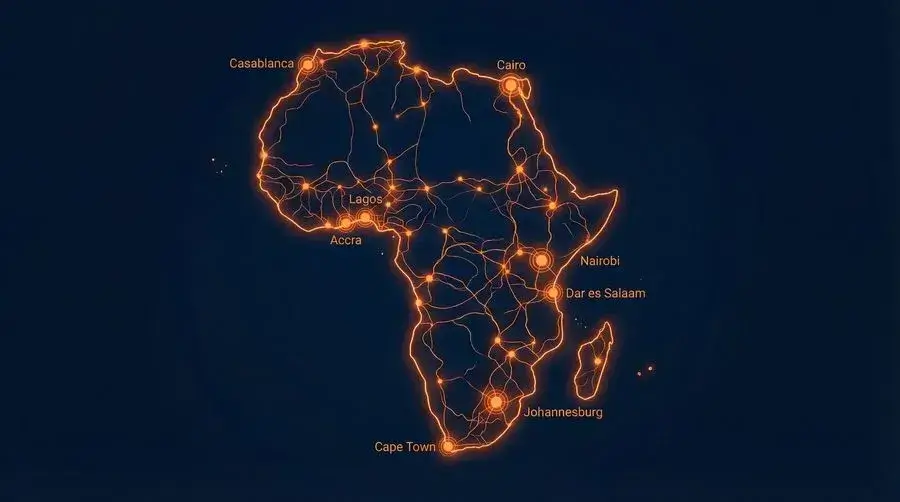
Atrax is headquartered at Isando Business Park, Johannesburg, next to OR Tambo International Airport, with a second branch at Airport Industria, Cape Town. From these two offices Atrax serves clients in 55+ African countries and ships through 220+ global hubs, supported by Uniserve’s offices in the UK, Ireland, the Netherlands and Singapore and GB Global’s wider network.
Your Atrax team, contacts and service standards stay the same. What changes is what sits behind them: group buying power on freight rates, group-owned bonded facilities at the UK’s major ports, access to the group’s own container shipping lines, additional technology, and the financial strength of one of Britain’s largest private logistics groups.
CONCLUSION
Port Elizabeth gives Eastern Cape businesses something few regions have: two ports, an international airport and direct road links to the country’s biggest markets. Using that well comes down to a few decisions made early. Know which port your cargo is using, get the documents right before the vessel arrives, and pick the transport mode that matches how urgently the goods are needed.
If you are shipping to or from Nelson Mandela Bay and want one team to manage the whole move, send us your shipment details. You will have a quote within 24 hours.
ONE BRIEF. ONE TEAM. ANY DESTINATION.
Send us your next shipment, your supply chain problem or your integration requirement. You will have a quote within 24 hours and a dedicated contact from the first conversation.